Versus Enlists AI and Heavyweight Media Investors to Combat Streaming Churn Through Interactive Second-Screen Experiences

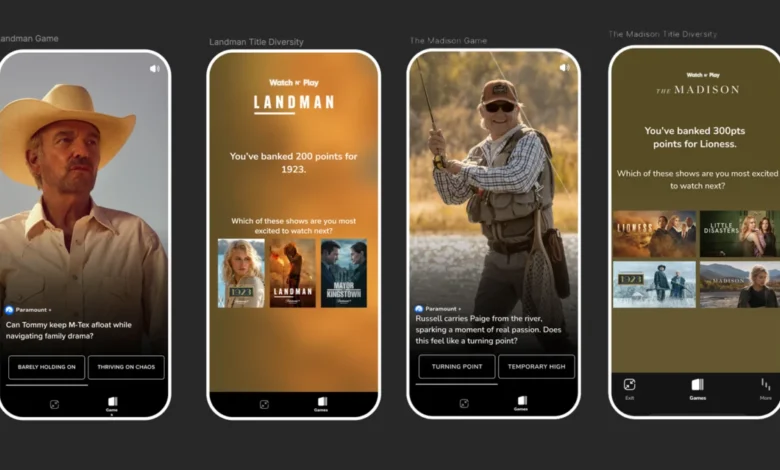
The global streaming industry, currently grappling with a saturated market and the persistent threat of subscriber "churn," is witnessing a technological shift aimed at transforming passive viewership into an active, participatory experience. Versus, a technology firm that has operated largely in stealth mode until recently, has emerged as a significant player in this space. By leveraging artificial intelligence to create interactive overlays, the company is partnering with major platforms including Disney+, Paramount+, and HBO Max, as well as high-profile entities like the NFL, Lionsgate, and Reddit, to redefine how audiences consume digital content.
As the "Streaming Wars" enter a more mature and volatile phase, the cost of acquiring new subscribers has skyrocketed, making retention the primary focus for media executives. Churn—the rate at which customers cancel their subscriptions—remains the industry’s most formidable adversary. Versus addresses this by integrating AI-driven games, trivia, and polls directly into the viewing experience, effectively gamifying content to prevent "app-switching" to social media platforms like TikTok or Instagram.
The Strategic War Against Subscriber Churn
The streaming landscape has undergone a radical transformation over the last decade. Following an initial period of rapid growth driven by the COVID-19 pandemic, platforms now face a reality where consumers are increasingly price-sensitive and prone to "cycling"—subscribing to a service to watch a specific hit show and then canceling once the season ends. Industry data suggests that the cost of winning back a lost subscriber can be significantly higher than the initial acquisition cost, sometimes reaching into the hundreds of millions of dollars when viewed across the entire sector’s marketing budgets.
Versus aims to mitigate this financial drain by increasing the "stickiness" of a platform. By providing a reason to stay on the app beyond the credits of a show, the company helps streamers build a deeper relationship with their audience. The objective is to transition from a utility-based relationship (where the user pays for access to a library) to an engagement-based relationship (where the user participates in a community or competition).
The company’s internal data highlights the efficacy of this approach. According to reports from Versus, their partner integrations have resulted in session lengths increasing by an average of 16%. Furthermore, retention lifts—a critical metric for long-term profitability—have been recorded between 4.5% and 9.5%. Perhaps most strikingly, Versus claims a content start rate exceeding 53%, a figure that dwarfs the industry average of approximately 2%. For engaged users, week-over-week retention rates are approaching 70%, suggesting that once a viewer begins interacting with the AI overlays, they are far more likely to return to the platform.
A Powerhouse Roster of Investors and Leadership
The credibility of Versus is underscored by its backing from a "who’s who" of the technology and entertainment sectors. The company’s investor pool includes Jeffrey Katzenberg, the co-founder of DreamWorks and former chairman of Walt Disney Studios; Eric Schmidt, the former CEO of Google; and Reid Hoffman, the co-founder of LinkedIn. Other notable backers include Kevin Mayer, the former Disney executive who served as the architect of Disney+ and later as CEO of TikTok, and Mark Burnett, the prolific producer behind reality television staples like Survivor and The Apprentice.
The recent addition of Tom Ryan to the investor roster further signals the company’s potential. Ryan, the co-founder of Pluto TV and former head of streaming at Paramount, is widely credited with pioneering the Free Ad-Supported Streaming TV (FAST) model. His involvement suggests that Versus is viewed not just as a niche tool, but as a fundamental component of the future streaming infrastructure.
At the helm of the company is CEO John Vitti, a tech entrepreneur who founded Versus in 2019. Vitti is joined by Jesper Jenson, the Chief Technology Officer. Jenson brings a wealth of experience from the gaming and digital infrastructure sectors, having previously served as the General Manager of Yahoo Games and as a senior executive at Electronic Arts (EA). This fusion of Hollywood storytelling expertise and Silicon Valley technical prowess is central to the company’s mission.
How the Technology Functions: The AI Overlay
The core of the Versus offering is a proprietary AI engine that generates real-time interactive experiences. When a viewer watches a live sporting event, a prestige drama, or even reads an article on a digital platform, they can use their mobile device to access a "second-screen" layer.
Unlike earlier attempts at second-screen engagement, which often required manual content creation and separate apps, the Versus AI is designed to be fluid and intuitive. It can automatically generate trivia questions based on the dialogue in a show like The Sopranos, create predictive polls during a live NFL game, or establish leaderboards for fans of House of the Dragon.
This technology has already been deployed across a wide array of content. High-profile new releases like The Madison and Landman have utilized the platform, as have "evergreen" library titles such as The Wire, Game of Thrones, and Casablanca. In the film sector, Versus has created engagement campaigns for modern blockbusters like Dune and Oppenheimer, as well as seasonal favorites like Elf.
The monetization model for Versus is diversified. The company generates revenue through a combination of platform fees, sponsorship and advertising integrations within the interactive layers, and specific revenue-generating "experiences" that allow brands to connect with audiences in a non-intrusive, value-add manner.
The Evolution of the Second Screen: Lessons from the Past
The concept of a "second screen" is not entirely new. In the early 2010s, several startups attempted to capitalize on the fact that viewers were increasingly using their smartphones while watching television. However, many of these early players struggled to gain traction because the technology was cumbersome, requiring users to manually check into shows or navigate away from their primary viewing experience.
Versus distinguishes itself by utilizing AI to automate the creation of these experiences, making them more relevant to the specific moment of consumption. Furthermore, the company’s strategy is to eventually integrate its technology directly into the partner’s streaming app, rather than existing as a standalone third-party destination. This reduces friction for the user and keeps the data and engagement within the streamer’s own ecosystem.
John Vitti, CEO of Versus, emphasizes that the shift toward interactivity is an inevitability of the digital age. "Versus was built on the belief that the future of entertainment is participatory, not passive," Vitti stated. "AI is allowing us to transform content into something audiences can play, react to, and engage with in real time."
Expanding Horizons: FourPlay.ai and the Direct-to-Consumer Shift
While Versus primarily operates as a B2B (business-to-business) service provider, it is now making a strategic foray into the direct-to-consumer (D2C) market with the launch of FourPlay.ai. This platform is specifically designed for live events, with a heavy focus on sports like the FIFA World Cup.
FourPlay.ai serves as a showcase for the company’s technology, allowing fans to engage with live broadcasts through real-time predictions and social competition. This move suggests that Versus sees an opportunity to not only support existing platforms but also to create a centralized hub for interactive fandom.
Tom Ryan, commenting on his investment, noted that the technology addresses the most pressing challenges in modern media. "Their proprietary AI doesn’t just engage audiences—it helps solve some of the biggest challenges facing media companies today, including churn and conversion," Ryan said. "With FourPlay, they’re putting that same technology into the hands of consumers, unlocking entirely new ways for fans and streaming platforms to connect."
Broader Implications for the Media Industry
The emergence of Versus and its AI-driven model suggests a broader trend in the entertainment industry: the blurring of lines between gaming, social media, and traditional video. For younger demographics—Gen Z and Gen Alpha—passive consumption is often seen as less desirable than interactive experiences. By bridging this gap, Versus is helping traditional media companies stay relevant in a landscape dominated by interactive platforms like Roblox and Fortnite.
Furthermore, the data generated by these interactive layers provides streamers with unprecedented insights into audience behavior. Instead of merely knowing that a user watched a show, platforms can now see how they reacted to specific scenes, what trivia they knew, and what outcomes they predicted. This data is invaluable for content development, targeted advertising, and personalized recommendations.
As AI continues to become a "foundational layer" in entertainment, as Vitti predicts, the industry may see a shift where every piece of content is designed with interactivity in mind from the start. For the major streamers, the goal remains clear: keep the viewer’s eyes on the screen, their thumb on the app, and their subscription active. In the high-stakes battle against churn, Versus has provided the industry with a potent new set of digital weapons.